Home Systems
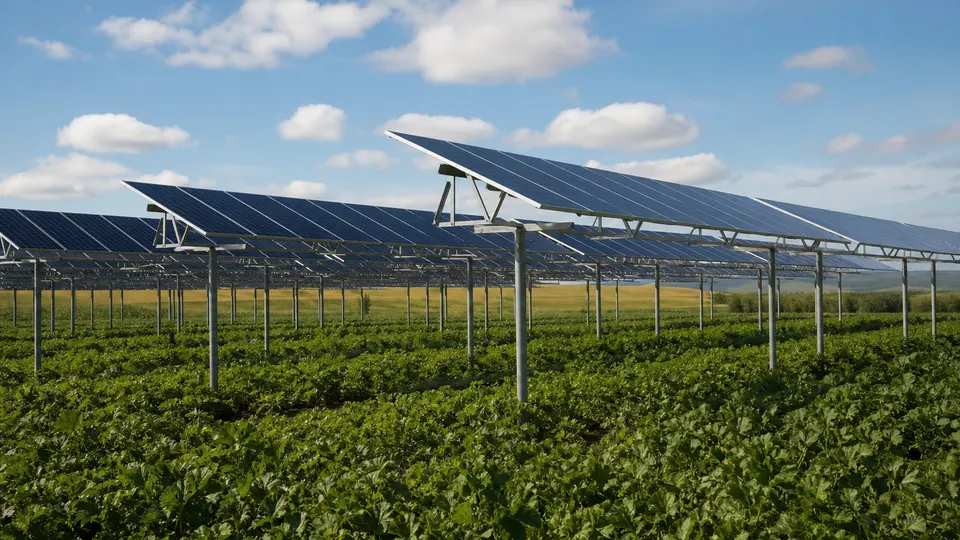
Agrivoltaics Pilots on Canadian Farms
Agrivoltaics pairs agriculture with elevated solar arrays. Canadian pilots from Ontario berry farms to Alberta cattle ranches test whether dual land use beats single-purpose fields.

Stories filed under
Agrivoltaics pairs agriculture with elevated solar arrays. Canadian pilots from Ontario berry farms to Alberta cattle ranches test whether dual land use beats single-purpose fields.
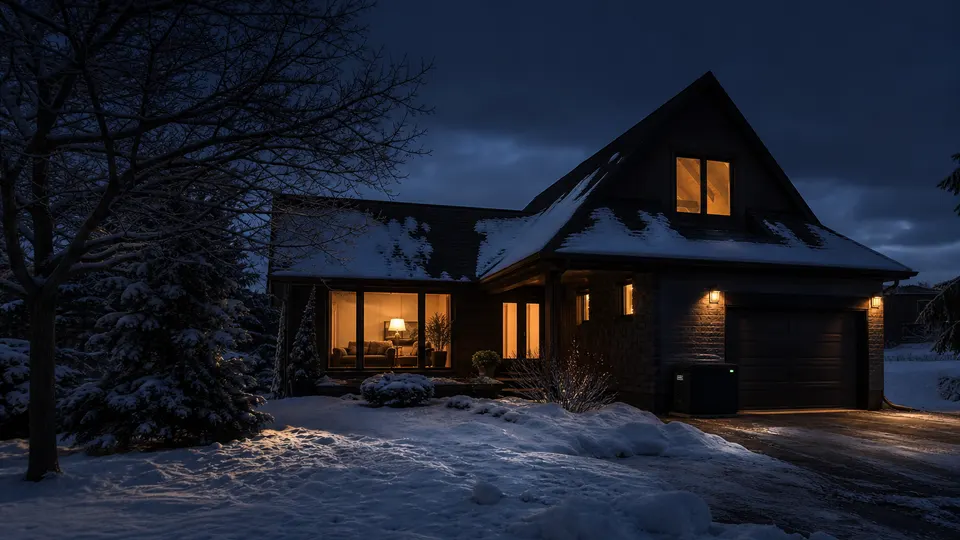
Grid-tied solar shuts off in most outages unless paired with approved storage and transfer equipment. Canadian homeowners need realistic backup loads, fuel-free runtime expectations and provincial interconnection rules.
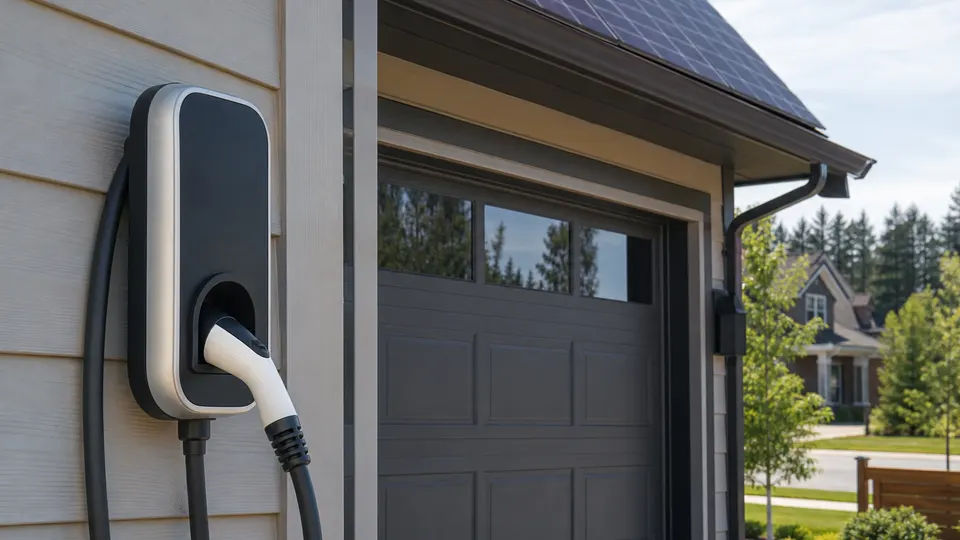
A 48-amp EV charger can demand 11.5 kW while solar feeds the opposite direction through the same panel. Load management and service upgrades determine whether the combination is safe — or a rejected inspection.
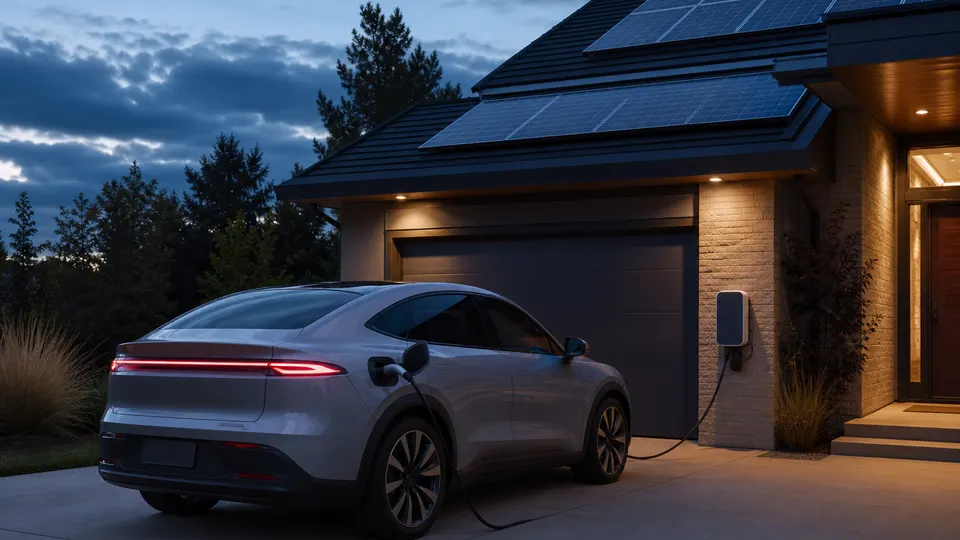
An EV adds roughly 3,000–4,500 kWh of annual load. Pairing a Level 2 charger with rooftop solar can shift much of that demand into self-consumed sunshine — if you plan timing, hardware, and billing rules together.
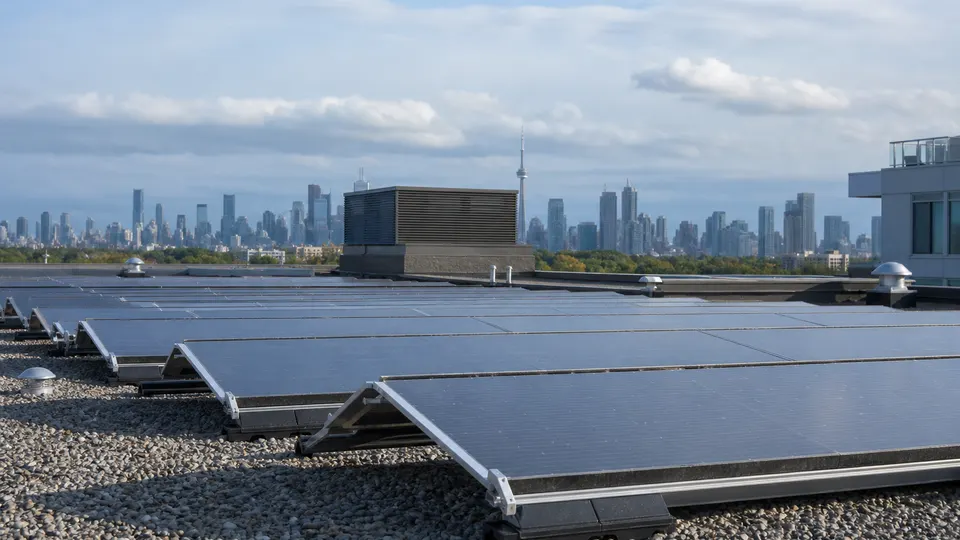
Ballasted solar racking avoids roof penetrations on flat commercial buildings, but wind uplift, dead load limits and TPO membrane rules make engineering review non-optional in Canada.
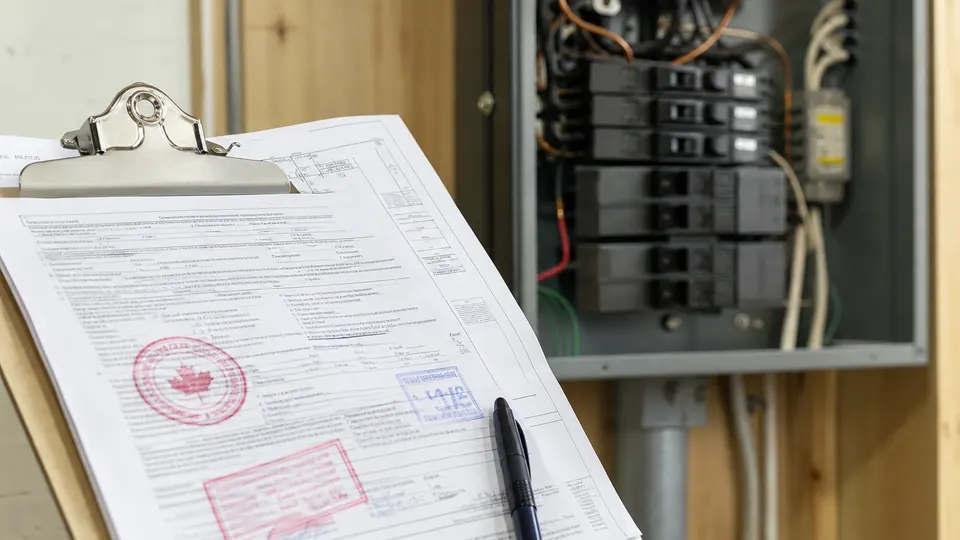
Grid-tied solar requires layered approvals: municipal permits, provincial electrical inspection, and utility interconnection. Skipping a step delays commissioning and can void warranties.
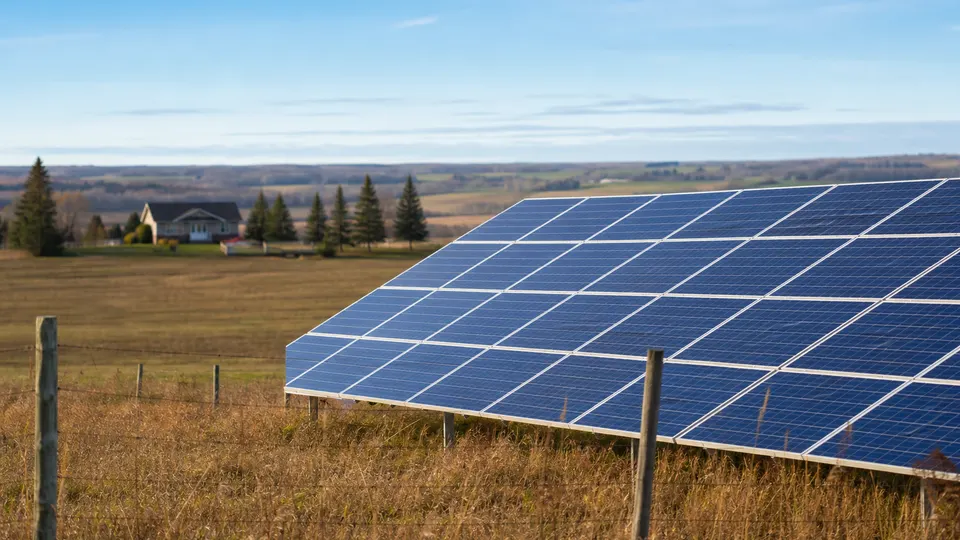
Rural Canadian properties often have better solar access on the ground than on the farmhouse roof. Ground mounts cost more per watt but offer orientation control, easier service access, and roof longevity.
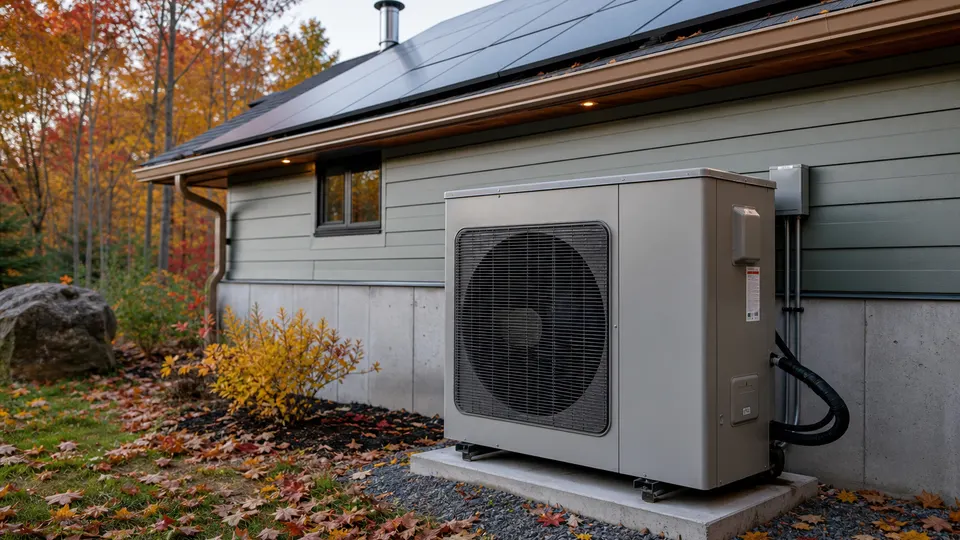
Replacing gas heat with a cold-climate heat pump raises electrical load — but solar sized to the new baseline can offset winter imports and lock in decades of predictable energy costs.
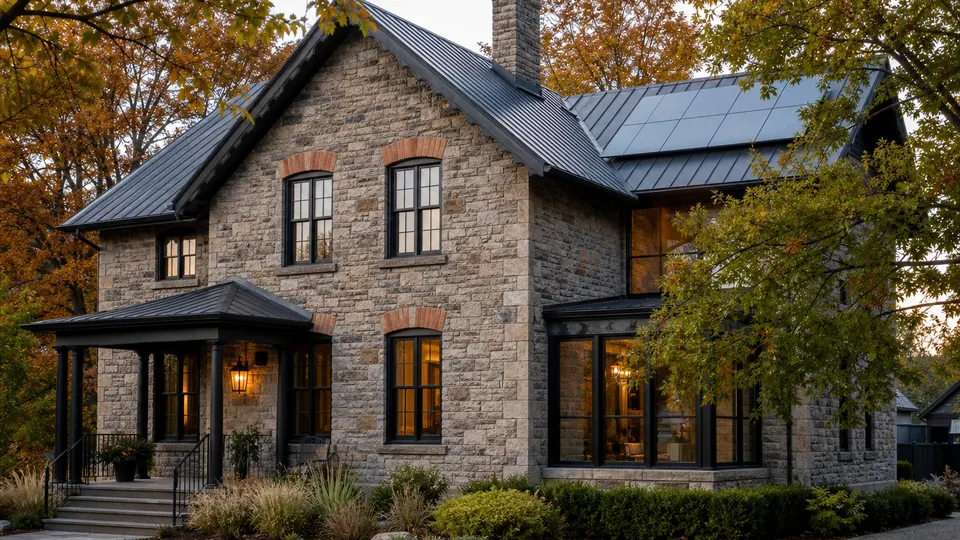
Installers market black-frame heritage kits, but municipal committees hold veto power over placement. Learn how Canadian review bodies evaluate solar and how to align proposals before the first site visit.
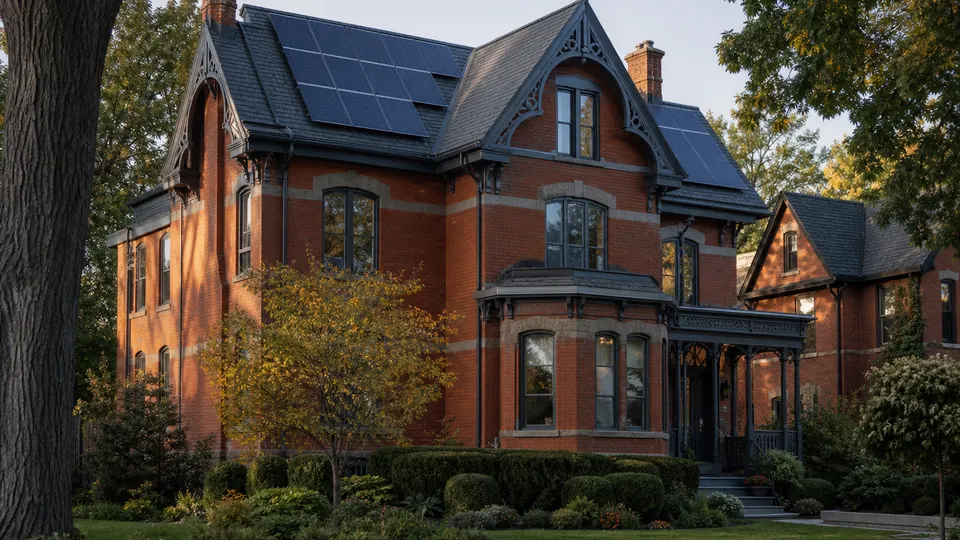
Heritage designation does not automatically block rooftop solar in Canada, but permit paths, streetscape rules and aesthetic conditions can add months to a project timeline.
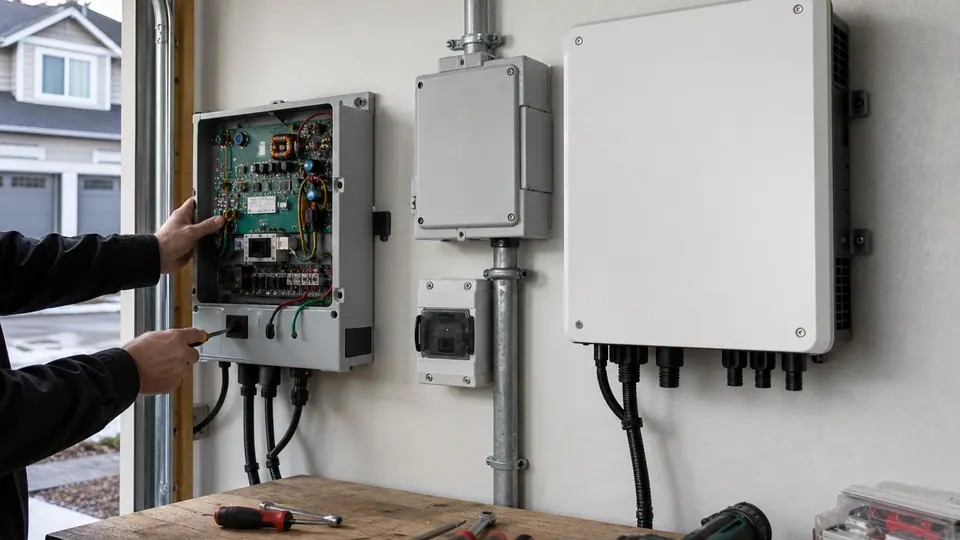
Panels may last thirty years; inverters often do not. Budgeting $2,000–$6,000 for mid-life inverter replacement keeps your Canadian array producing through decades two and three.
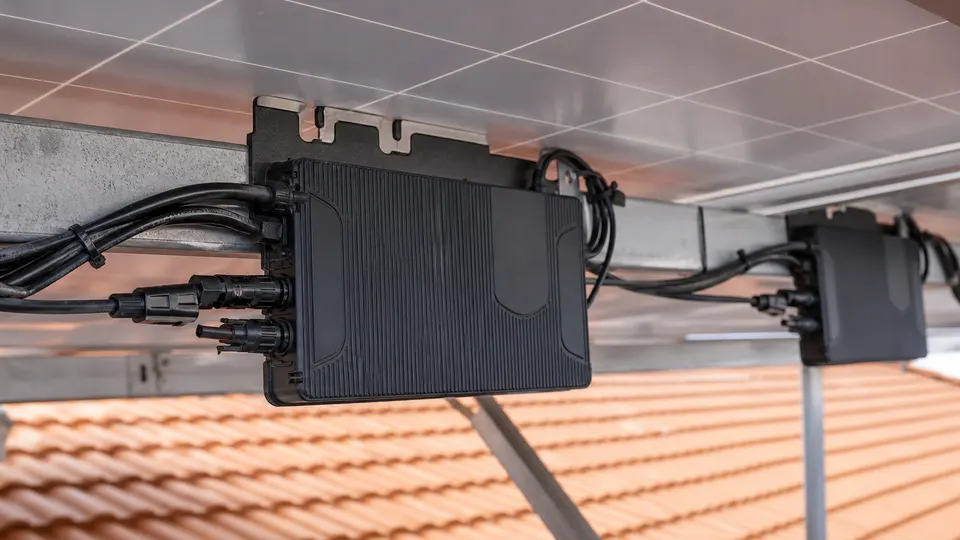
Shaded roofs in Canada push the microinverter versus string inverter debate beyond marketing slides. Here is how each architecture behaves with snow, chimneys, east-west splits and provincial interconnection rules.
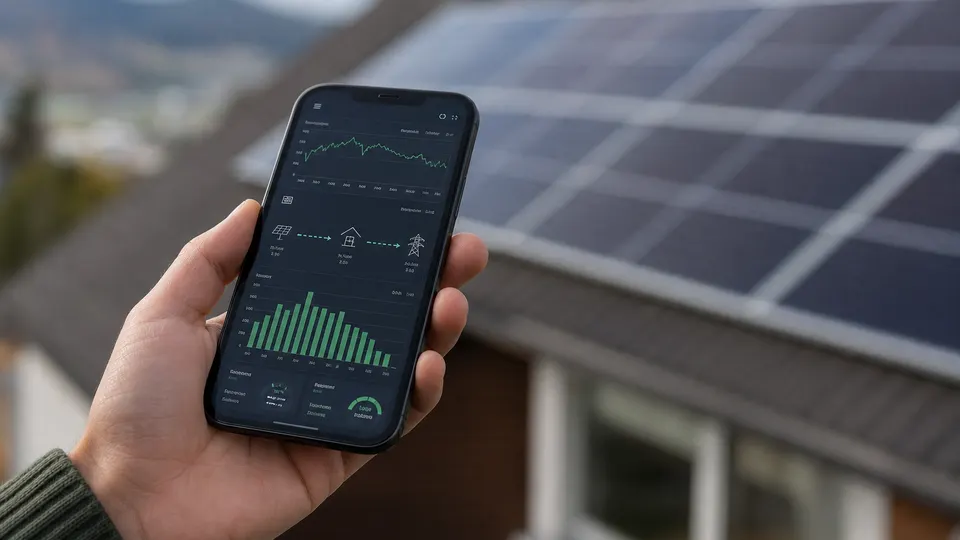
Your inverter app shows daily kilowatt-hours — but only if you look. Structured monitoring catches failed strings, inverter faults, and snow losses before they erase a season of credits.
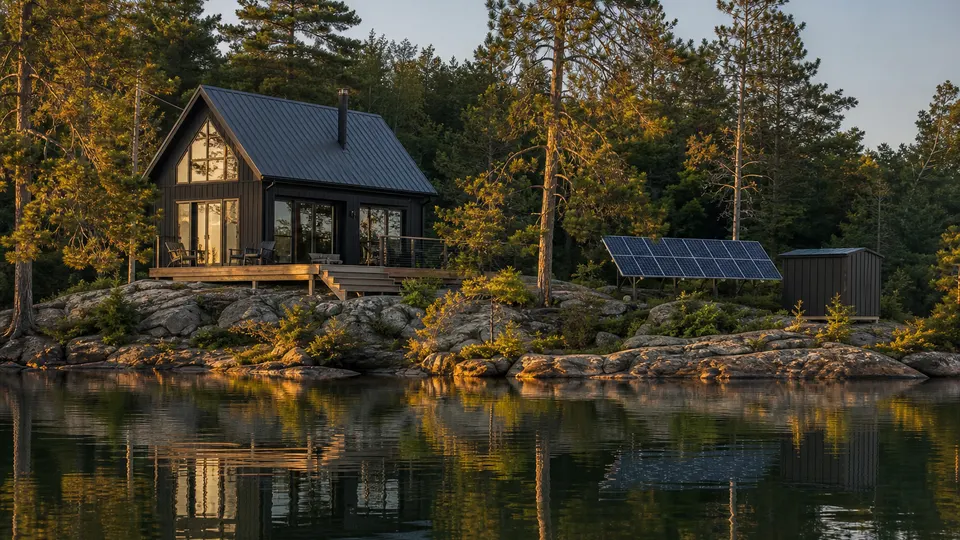
Off-grid cottage solar is not suburban net metering on a lake lot. Seasonal use, cold storage shutdown, and long winter absences demand different sizing — and honest load discipline.
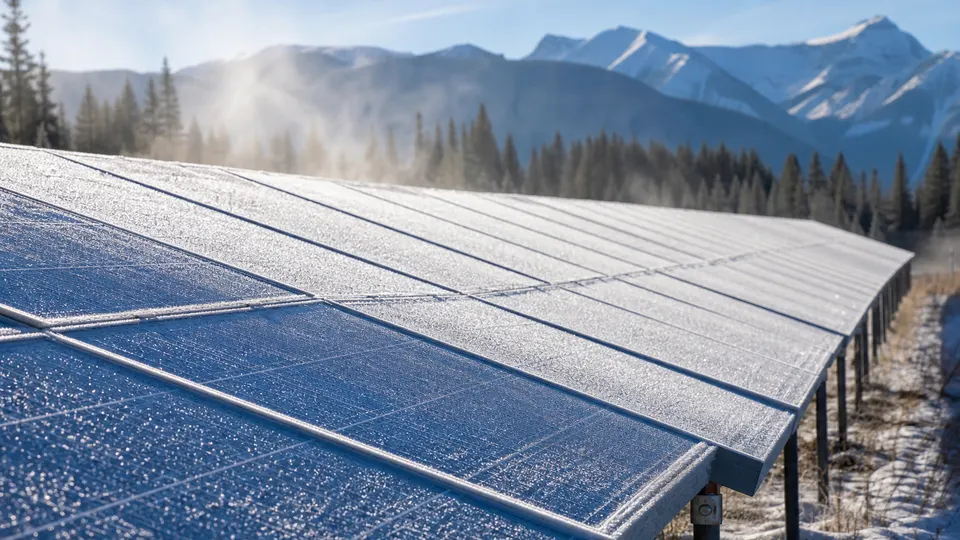
Photovoltaic cells convert light, not heat. On a clear −15 °C day in Winnipeg or Calgary, modules often outperform their summer noon rating — until snow, short days, and angle of incidence take their cut.
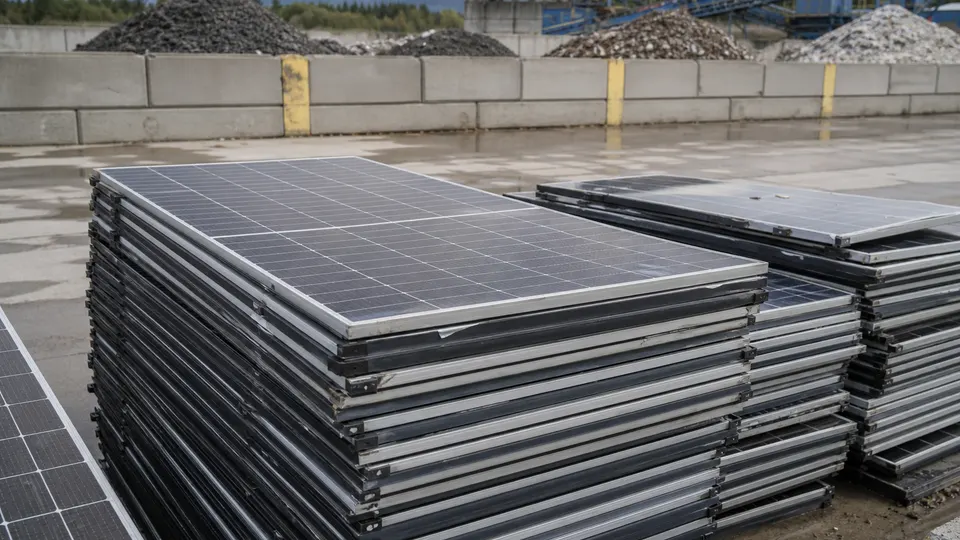
Most Canadian rooftop panels installed after 2010 will not reach end-of-life until the 2030s — but recycling infrastructure and provincial rules are forming now.
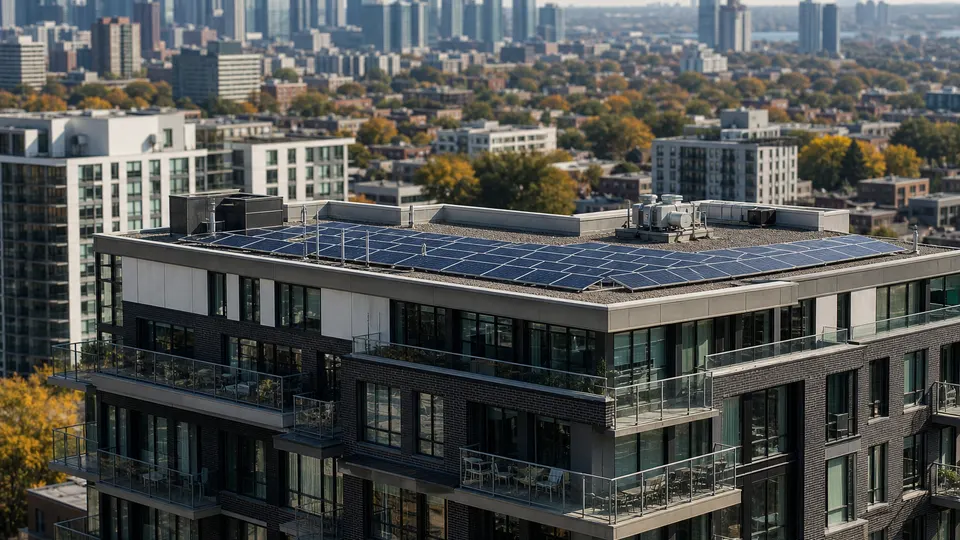
Condo owners do not automatically own their roof plane. Strata councils, bylaws, and provincial tenancy of property acts determine whether — and how — you install solar on shared buildings.
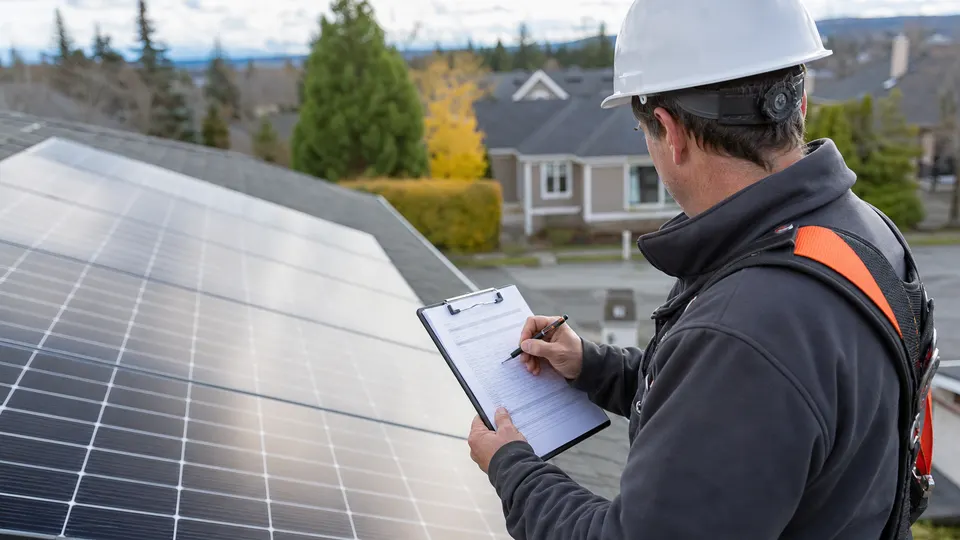
CSA marks, provincial electrical approvals and insured contractors separate legitimate Canadian solar installs from risky cut-rate jobs. Here is what to verify and which sales shortcuts should end the conversation.

A solar contract binds you for decades of production and thousands in payments. Canadian homeowners should read these clauses before deposit — not after the panels are on the roof.
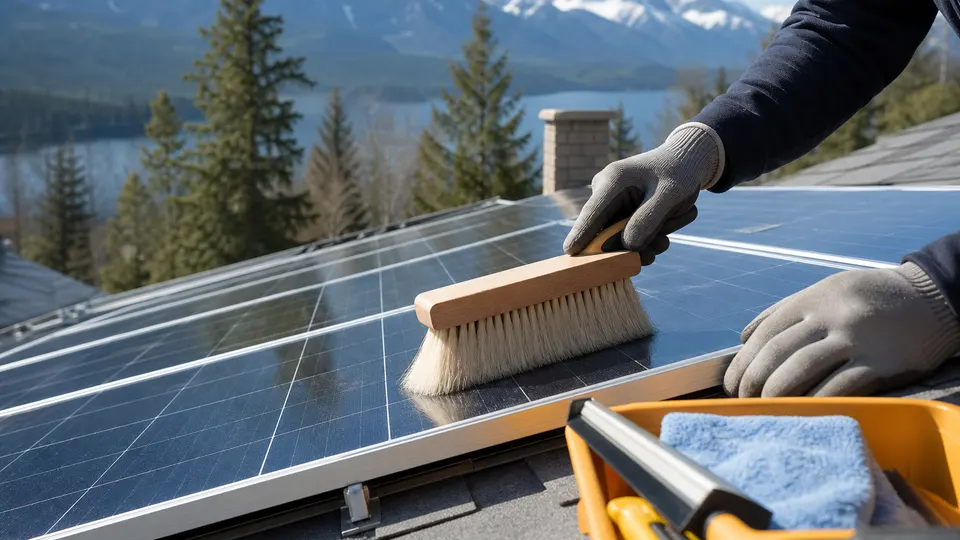
Solar arrays need little maintenance — but not zero. A structured annual schedule catches rodent damage, inverter faults, and snow losses before they erase a season of production.
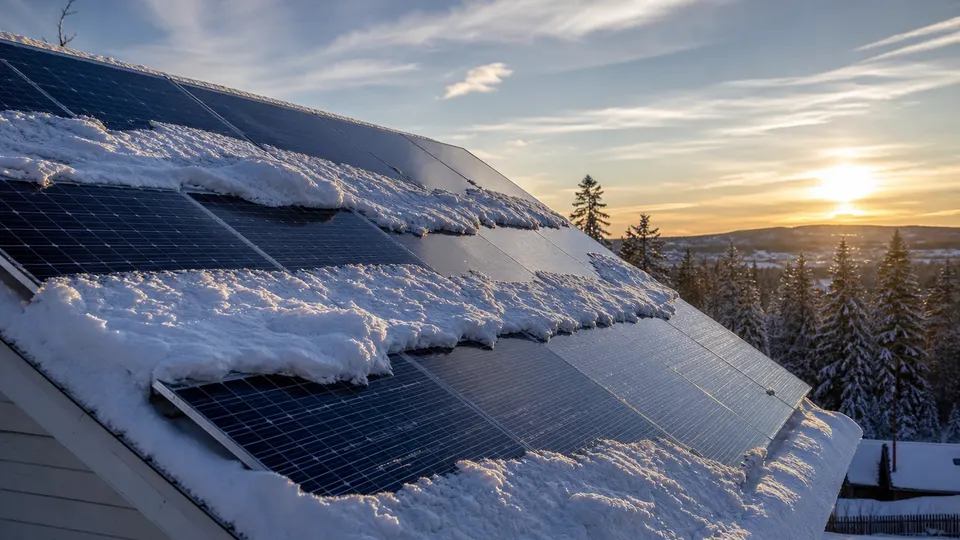
Winter does not idle Canadian solar arrays, but snow cover, ice and short days reshape output. Understand shedding physics, structural loads and safe maintenance before grabbing a roof rake.
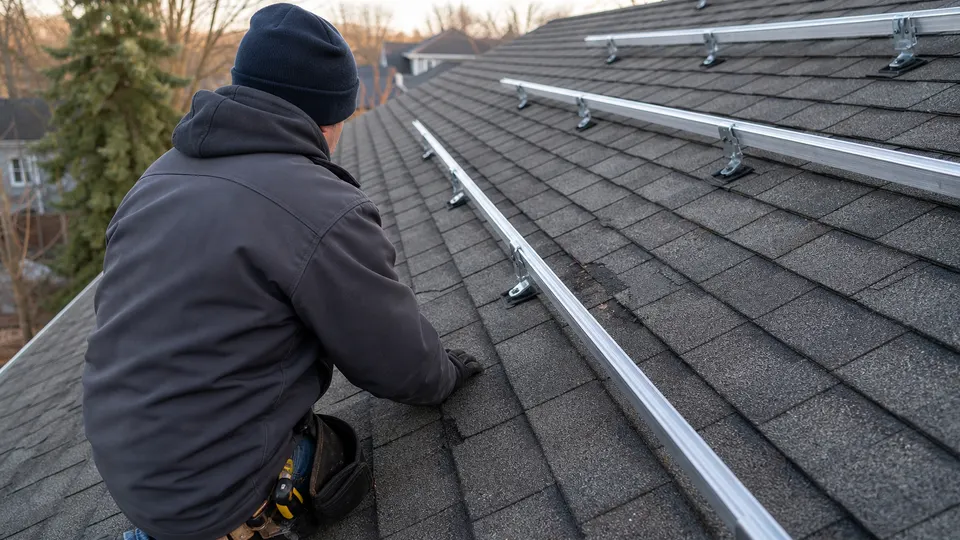
Installing solar on a roof nearing end of life guarantees a expensive decommission cycle. Here is how Canadian homeowners sequence re-roofing, flashing details and warranty overlap.
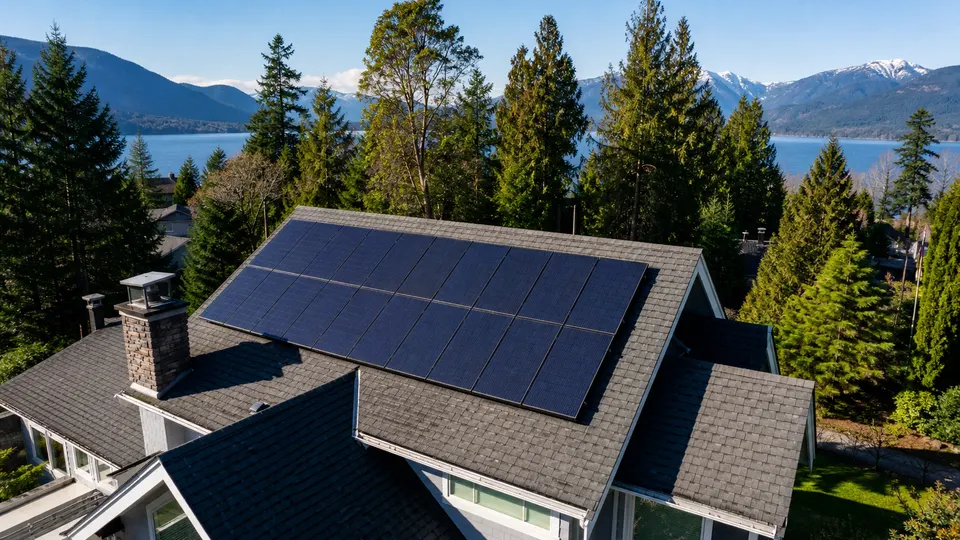
At fifty degrees north and beyond, roof azimuth and tilt matter differently than in southern Ontario. Here is how to read production trade-offs for east-west roofs, shallow pitches and ground mounts in northern Canada.
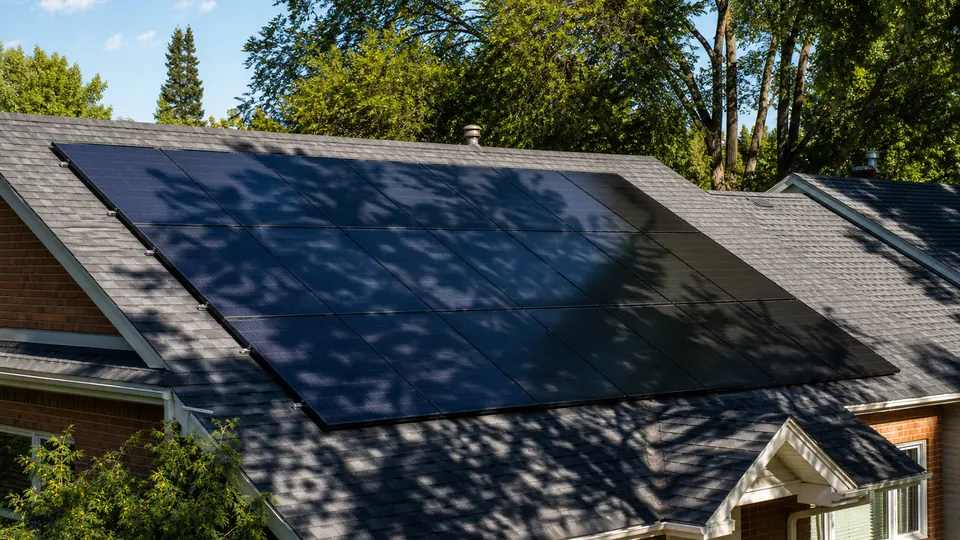
Online solar calculators assume open sky. Mature maples, church spires, and neighbouring infill towers can erase thirty percent of predicted production — shade analysis closes that gap.
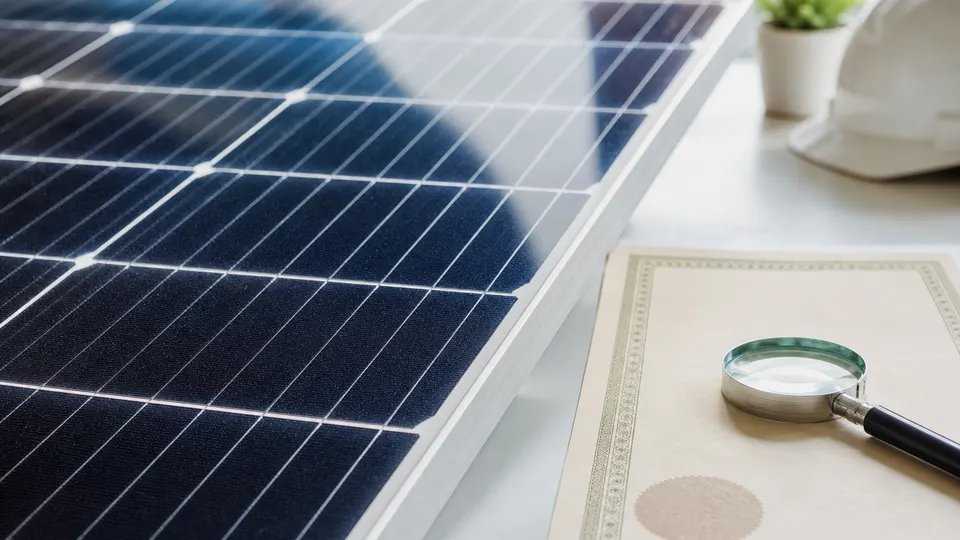
Manufacturers advertise twenty-five-year panel warranties, but product, performance and labour coverage differ sharply. Canadian homeowners need the fine print before hail, micro-cracks or installer insolvency test the promise.